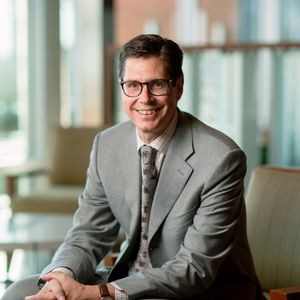
Quality-of-Life Analysis in Vestibular Schwannoma
Dr. Link shares insights from his extensive research on how vestibular schwannomas affect quality of life, and how different treatment paths impact patient outcomes. He also introduces a new quality of life instrument developed by his team to better capture the lived experiences of patients. Drawing on decades of clinical and academic expertise, Dr. Link explores the evolving landscape of patient-centered care.

AN Awareness Month: Facial Paralysis & Nerve Recovery
Facial weakness or paralysis can deeply affect confidence, communication, and emotional well-being. In this webinar, a patient shared their journey of hope and uncertainty, while a facial neuromuscular therapist and a neuropsychologist explained what was happening beneath the surface—and what recovery might look like.
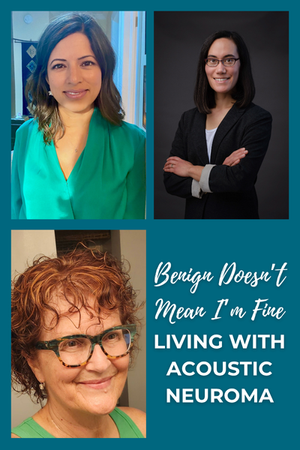
AN Awareness Month: Balance Issues & Vestibular Rehab
Loss of balance is more than physical—it affects every part of life. In this webinar, a patient shared how balance issues changed their daily routines, and a vestibular therapist highlighted why rehabilitation is especially important (and often complex) for those with acoustic neuroma.
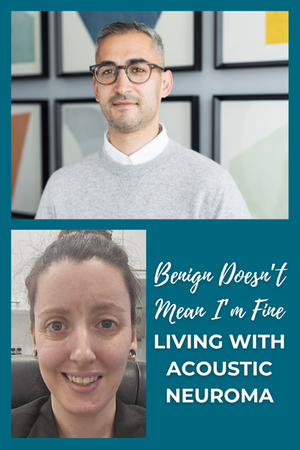
AN Awareness Month: Unilateral Hearing Loss/SSD & Hearing Rehabilitation
What happens when the world suddenly sounds different? Attendees heard from a patient living with single-sided deafness (SSD) about challenges like sound localization, background noise, and social connection. An audiologist discussed treatment options, their benefits and limitations, and ways to adapt in a hearing world.
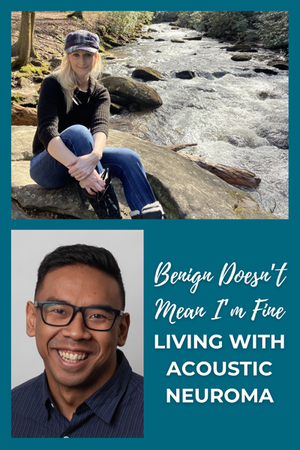
AN Awareness Month: Cognitive & Emotional Impacts of AN/VS
Explore the cognitive and emotional impacts of acoustic neuroma/vestibular schwannoma. A patient shares their personal journey with brain fog, anxiety, and identity, while a neuropsychologist unpacks the physiological and psychological roots of these challenges—and how to navigate them.

World of Acoustic Neuroma Symposium 2024: Opening Remarks
Dr. Gelareh Zadeh, Professor and Chair of Neurosurgery at the University of Toronto and longtime Chair of ANAC’s Medical Advisory Committee, opened the event with an inspiring welcome. She reflected on ANAC’s growth, highlighted advances in tumour research and patient care, and emphasized the importance of expanding access to specialized treatment. Dr. Zadeh also shared news of her upcoming move to the Mayo Clinic, introducing Dr. Farshad Nassiri as her successor at Toronto Western Hospital—assuring attendees of continued excellence and support for the ANAC community.

World of Acoustic Neuroma Symposium 2024: Keynote Address
Dr. Sherod, Neuropsychologist at the University of Central Florida, shared how acoustic neuroma can affect cognition, emotions, and daily functioning. She offered strategies to manage these challenges, with attendees describing her keynote as both validating and transformative.
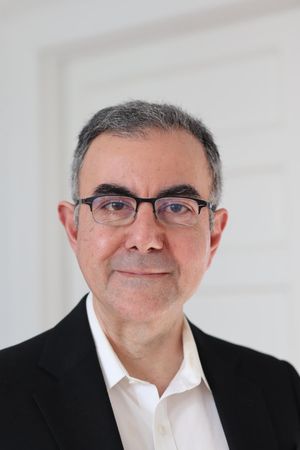
World of Acoustic Neuroma Symposium 2024: Surgical Management & Intraoperative Monitoring
Dr. Anthony Zeitouni presented on advances in surgical management and monitoring techniques, followed by a session on navigating treatment options. His talks emphasized improving outcomes and helping patients make informed choices that prioritize quality of life.
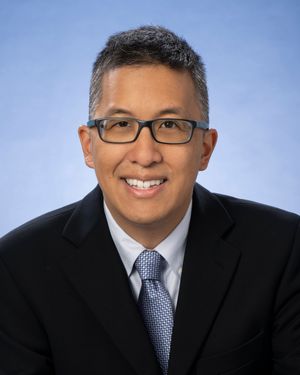
World of Acoustic Neuroma Symposium 2024: Radiosurgery for Acoustic Neuroma
Dr. Derek Tsang discussed radiation therapy and radiosurgery for vestibular schwannomas, sharing the latest treatment approaches and strategies to improve patient outcomes.
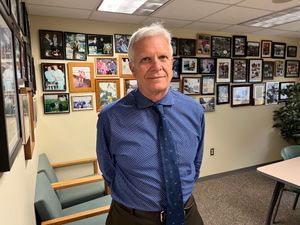
World of Acoustic Neuroma Symposium 2024: The Natural History of Vestibular Schwannomas: What We Have Learned from Conservative Management Studies
Dr. John Rutka explored the natural history of vestibular schwannomas and the benefits of conservative “wait and scan” management, emphasizing strategies that can help preserve hearing and improve quality of life.
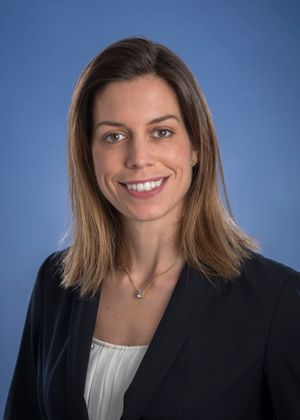
World of Acoustic Neuroma Symposium 2024: Facial Reanimation after Acoustic Neuroma Surgery: Timing, Options and Outcomes
Dr. Heather Baltzer discussed facial reanimation after nerve injury from acoustic neuroma surgery, covering surgical options, timing considerations, and expected outcomes to help improve patient quality of life.
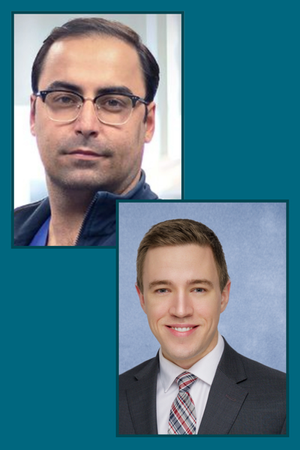
World of Acoustic Neuroma Symposium 2024: Updates in Vestibular Schwannoma: Toward Increasingly Personalized Care
Dr. Alexander Landry presented on the molecular biology of vestibular schwannomas, highlighting research breakthroughs that may enable earlier detection and new treatments. The session was introduced by Dr. Farshad Nassiri, who emphasized ANAC’s commitment to improving patient access to specialists and high-quality care.
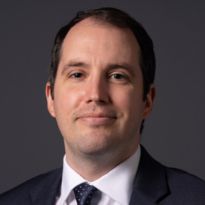
World of Acoustic Neuroma Symposium 2024: Acoustic Neuroma Case Presentation
As an unexpected bonus, Dr. Matthew Mullarkey, Clinical Fellow at Toronto Western Hospital, presented a real-world case that complemented the day’s sessions and highlighted key themes from the symposium.
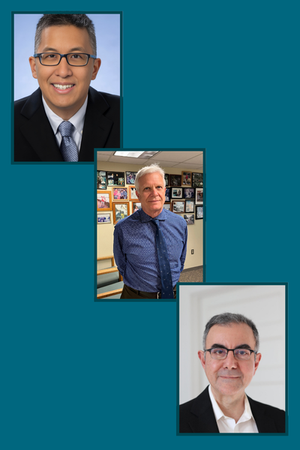
World of Acoustic Neuroma Symposium 2024: Q&A Panel
Drs. Derek Tsang, John Rutka, and Anthony Zeitouni answered audience questions on treatment options, surgical strategies, and patient care, sharing expert insights from across the field of acoustic neuroma management.
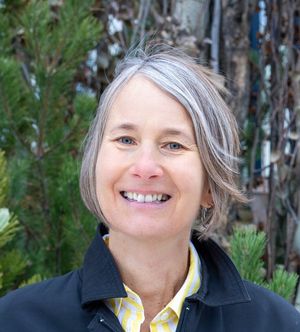
Speechreading: Hear Better by Knowing More
If every conversation had taken place in a quiet room with one other person, hearing conversations would have been easier. Listening would have been effortless if the person had been familiar to us and the topic had never changed—or at least less effortful. In this webinar, Sandra Vandenhoff, audiologist and founder of HEARa, explained how learning about speechreading was an example of using knowledge and skills to reduce listening effort, and why it was worth investing time in the theory and practice of speechreading.
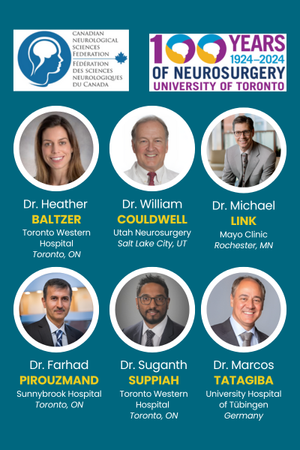
Virtual Tumour Board: Acoustic Neuroma Case Reviews
2024 marked the 100th Anniversary of the Division of Neurosurgery at the University of Toronto! To celebrate this incredible milestone, the Acoustic Neuroma Association of Canada (ANAC), in partnership with the Canadian Neurological Sciences Federation (CNSF) and the University of Toronto Division of Neurosurgery, hosted a dynamic live session featuring a global tumour board of leading specialists who came together to discuss acoustic neuroma cases.

Exploring the Impact of Single-Sided Deafness on Quality of Life and Innovative Treatment Approaches
This webinar explored the impact of single-sided deafness on daily life and reviewed treatment options. Attendees learned about challenges such as communication difficulties and psychosocial effects, as well as strategies including hearing aids and bone conduction implants to help mitigate SSD’s effects.
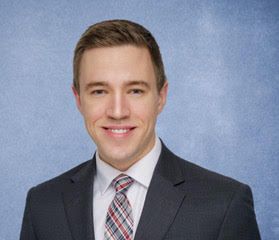
Revisiting the Molecular Landscape of Vestibular Schwannoma
Dr. Landry’s webinar explored his team’s research into the genetics of vestibular schwannoma. By identifying two distinct molecular subgroups, the study points to promising new treatment options beyond surgery and radiation, including immune checkpoint inhibitors and repurposed drugs. His talk offered hope for more personalized therapies in the future.

Physiotherapy and Acoustic Neuroma: Improving Quality of Life
Robynne Smith, Physiotherapist in Saskatoon, discussed the benefits of vestibular rehabilitation for individuals with acoustic neuroma. She shared strategies for managing dizziness, improving balance, and regaining daily function to help enhance quality of life.
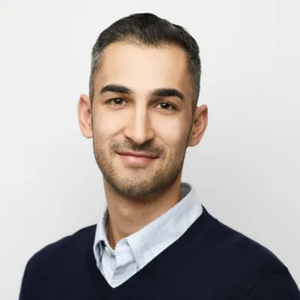
The Management of Tinnitus
Dario Coletta, Audiologist at the Centre for Advanced Hearing and Balance Testing, discussed how tinnitus can affect daily life in individuals with an acoustic neuroma. He shared evidence-based strategies—including sound therapy, counselling, and relaxation techniques—aimed at reducing tinnitus perception and improving quality of life.
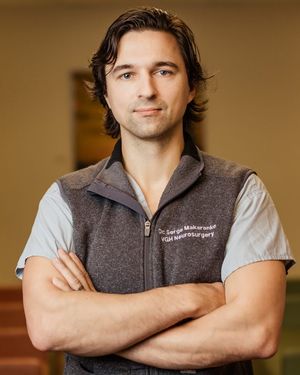
Optimizing Surgical Outcomes in Vestibular Schwannoma
ANAC was pleased to welcome Dr. Serge Makarenko, Clinical Instructor in the Division of Neurosurgery at the University of British Columbia, for a presentation on Optimizing Surgical Management of Vestibular Schwannoma. His talk highlighted strategies to improve treatment outcomes, including thoughtful surgical selection, the use of intraoperative neuromonitoring, and the role of pre-operative medications.


